
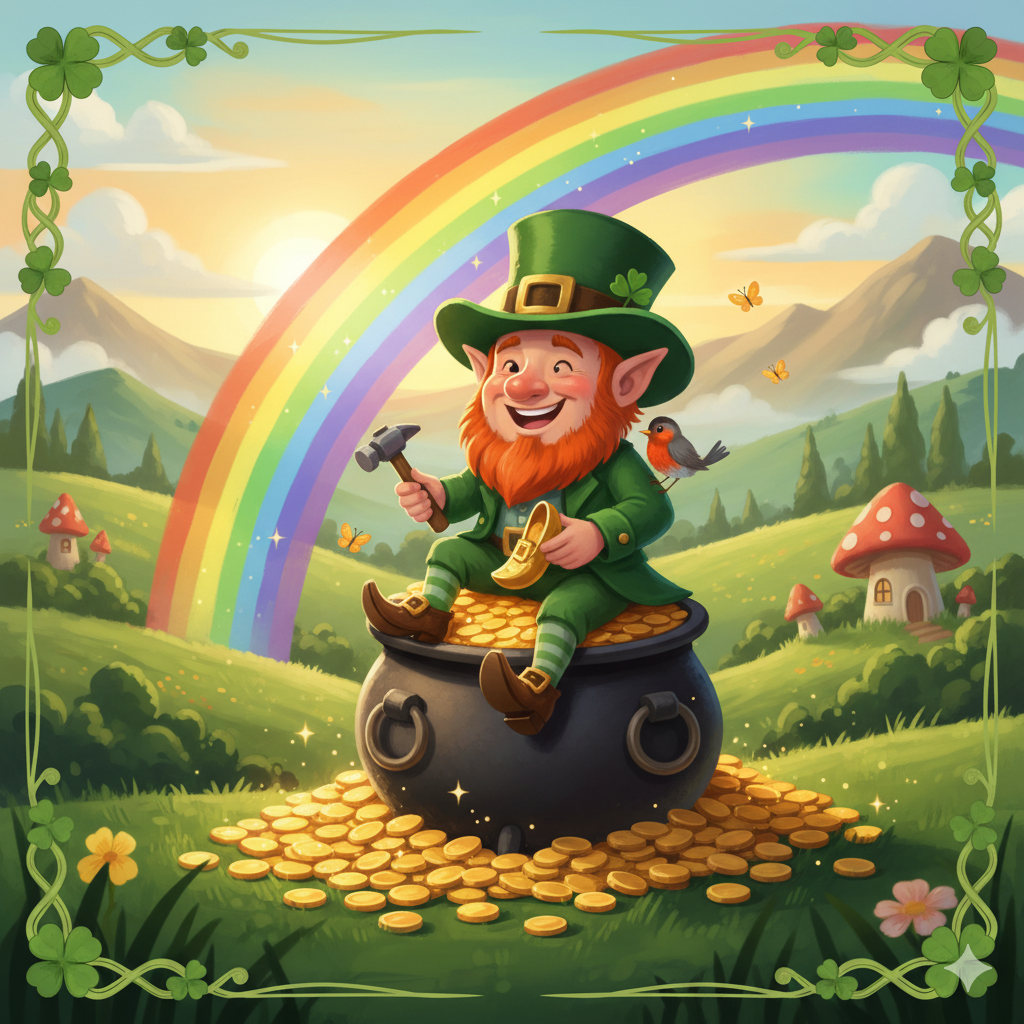
Leprechauns are among the most recognizable figures in Irish folklore—small, clever, mysterious, and often associated with magic and hidden treasure. For many people, especially during St. Patrick’s celebrations, the image of a leprechaun guarding a pot of gold at the end of a rainbow feels both charming and magical. One of the most popular questions people ask is:
Do leprechauns grant wishes?
The short answer is:
In traditional Irish folklore, leprechauns do not grant wishes in the same way wish-granting genies do. However, they are known to be tricksters who may make deals or bargains—usually leading the human into confusion or trouble. The idea of leprechauns granting three wishes is a later pop-culture addition, not part of the original mythology.
To understand why, we need to explore who leprechauns are, how they appear in folklore, and how their legend evolved.
What Exactly Is a Leprechaun?
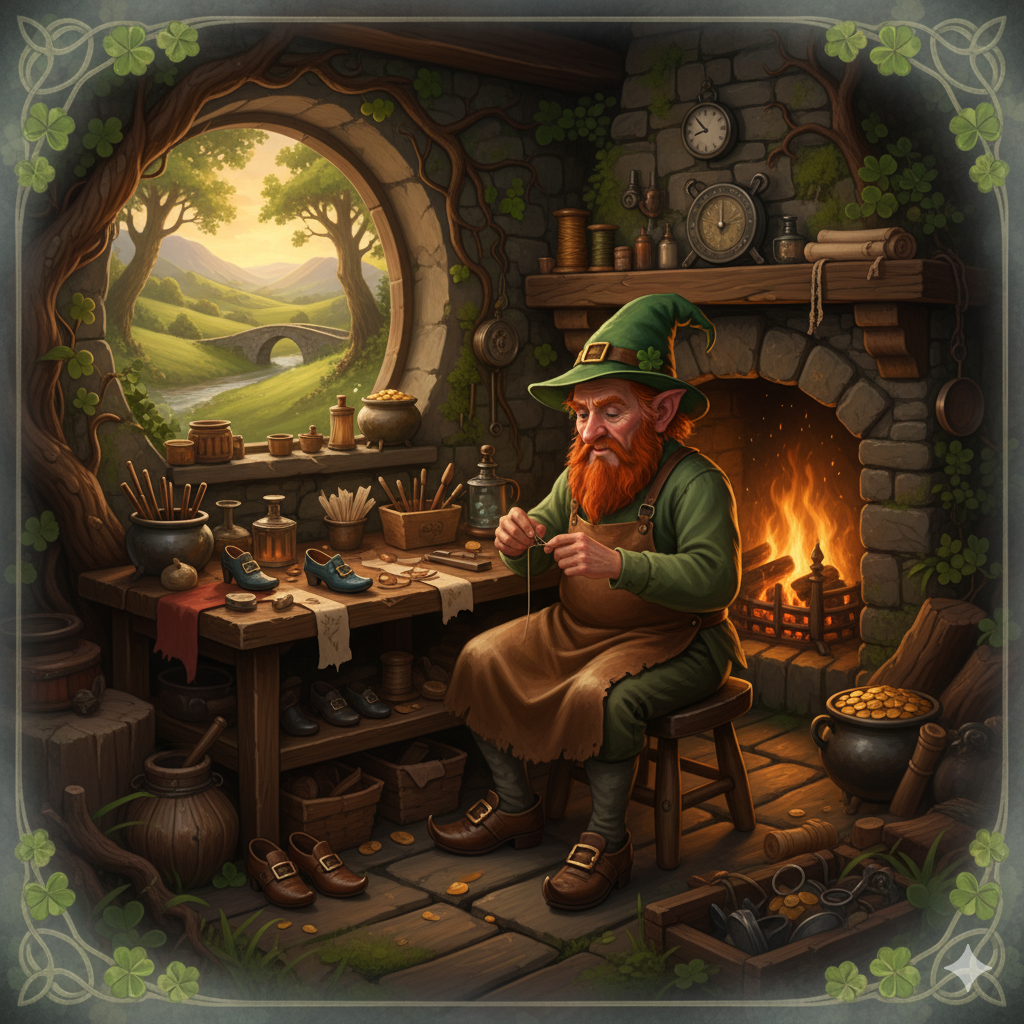
In Irish mythology, a leprechaun is a solitary fairy, not part of the fairy courts (unlike banshees or sidhe). They are said to be:
- Very small in size
- Dressed in green or old-style Irish clothing
- Shoemakers by trade
- Highly clever and crafty
- Guardians of hidden treasure
They didn’t originally appear as cute characters. Early stories described them as:
- Grumpy
- Mischievous
- Extremely private
- Skilled at tricking humans
So, while many modern stories show them happy and friendly, traditional folklore paints them as sharp-witted magical beings who enjoy outsmarting others.
Where Did the Belief in Leprechauns Granting Wishes Come From?
The idea of wish-granting leprechauns is mostly a later storytelling interpretation, shaped by:
- Irish folktales retold in the 1800s
- Children’s storybooks
- Theater plays
- Hollywood movies
- St. Patrick’s Day marketing and media
In original myths, if someone captured a leprechaun, it was believed he might offer gold or tricks to escape. This eventually evolved into the popular idea of granting three wishes. So while the concept is fun, it is not historically accurate folklore.
Do Leprechauns Grant Wishes? The Folklore Answer
In traditional Irish storytelling:
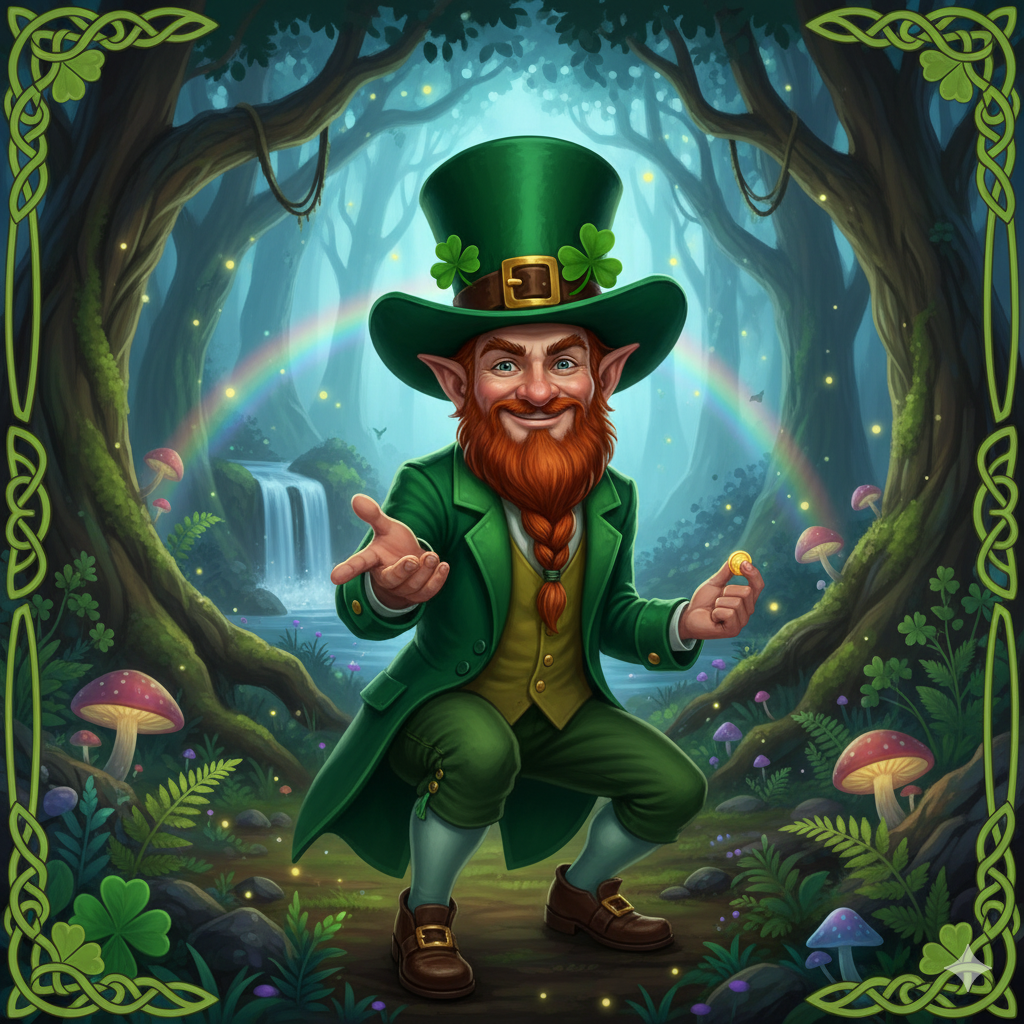
- Leprechauns do not grant wishes freely.
- If forced to bargain, they often trick the human.
- Their deals usually come with unexpected consequences.
A typical storyline in many old tales goes like this:
- A person captures a leprechaun.
- The leprechaun promises treasure to be released.
- The human looks away for just one second.
- The leprechaun vanishes instantly, laughing.
So, while they may pretend to offer wishes, they rarely fulfill them honestly.
Why People Love the Idea of Leprechauns Granting Wishes
The wish-granting idea connects to universal themes:
- Human desire for luck
- The appeal of hidden treasure
- The dream of riches coming magically
- The charm of storytelling fantasy
Leprechauns symbolize:
| Symbol | Meaning |
|---|---|
| Gold | Wealth & abundance |
| Rainbow | Hope & imagination |
| Shoemaker profession | Hard work leads to rewards |
| Mischief | Not everything is as it seems |
So, while they may not grant wishes, they represent dreams, hope, fortune, and mystery.
Are Leprechauns Real? A Cultural Perspective
From a cultural viewpoint, leprechauns are:
- A symbol of Irish heritage
- A mythological character in storytelling tradition
- A reflection of Celtic belief in magical nature spirits
They are not considered real physical beings, but they remain “real” in the sense of:
- Storytelling identity
- Folklore education
- Cultural expression
- Artistic and festival celebrations
Stories about them continue to be shared because they spark imagination, preserve history, and celebrate Irish folklore.
The Three Wishes Legend Explained
The “three wishes” myth came from later folk tales where:
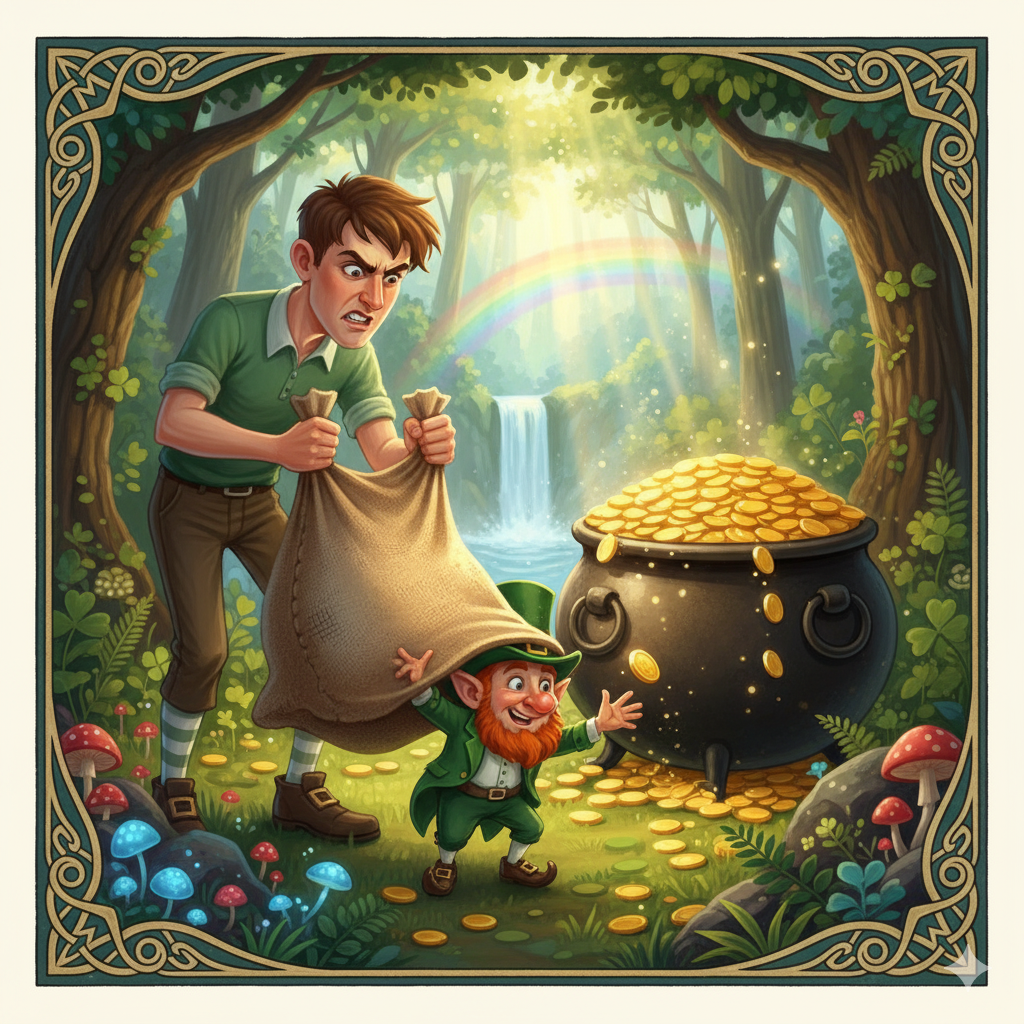
- A leprechaun tries to escape capture
- The human demands wishes
- The leprechaun twists the wishes into mischief
These stories teach moral lessons:
- Greed leads to loss
- Be careful what you wish for
- Cleverness can be more powerful than wealth
The lesson isn’t that leprechauns grant wishes—it’s that wishes without wisdom bring trouble.
Leprechauns in Modern Culture
Today, leprechauns appear in:
- Cartoons
- St. Patrick’s Day decorations
- Fantasy movies
- Children’s books
- Lucky charms and mascots
Modern versions are often more:
- Friendly
- Colorful
- Humorous
- Festive
But the playful and clever nature still remains.
FAQs About Leprechauns
1. Do leprechauns really exist?
No, leprechauns are mythological characters from Irish folklore, not real creatures.
2. Do leprechauns actually grant wishes?
In traditional stories, no — they don’t grant wishes. The wish-granting idea is a modern addition.
3. Why are leprechauns associated with gold?
They are believed to hide gold earned from shoemaking, symbolizing wealth earned through effort, not magic.
4. Why are they linked to rainbows?
The rainbow symbolizes mystery and unreachable treasure, creating the idea that gold waits at its end.
5. Are leprechauns good or bad?
They are tricksters—sometimes helpful, sometimes mischievous, depending on the story.
Conclusion
So, do leprechauns grant wishes?
Not in traditional folklore.
They don’t hand out magic wishes or fortune. Instead, they embody:
- Cleverness
- Wisdom
- Hidden effort
- And the reminder that true treasure is earned, not magically granted.
Leprechauns are less about magic wishes and more about the power of folklore, culture, imagination, storytelling, and humor.

“Mary Shelley, visionary author of classic tales, shares inspiring and heartfelt wishes, spreading imagination, warmth, and positivity on WishPac.com.”